In this in-depth guide, you’ll learn everything about EV insurance costs, Tesla insurance pricing, financing impact, and how to reduce premiums.
⚡ 1. What Is Electric Car Insurance?
Electric car insurance is similar to traditional auto insurance, but it covers EV-specific components such as:
- Battery packs
- Charging equipment
- Electric drivetrain systems
- Advanced software and sensors
Because EVs are built differently, insurers calculate risk differently—leading to higher premiums but also smarter pricing models.
💰 2. Average Electric Car Insurance Cost in USA (2026)
Insurance for EVs is generally higher than gas-powered vehicles.
📊 Average Annual Premiums:
- Standard gasoline car: $1,500 – $2,000
- Electric car: $1,800 – $3,500+
🚘 EV Model Comparison:
- Tesla Model 3: $1,800 – $2,500
- Tesla Model Y: $2,000 – $2,800
- Ford Mustang Mach-E: $1,900 – $2,700
- Chevrolet Bolt EV: $1,500 – $2,200
👉 Premium EVs can exceed $4,000/year
🔍 3. Why Electric Car Insurance Is Expensive
Understanding the “why” behind pricing helps you optimize costs.
✔ Key Factors:
🔧 1. High Repair Costs
- EVs require specialized technicians
- Parts like batteries are extremely expensive
🔋 2. Battery Replacement Risk
- Battery replacement can cost $5,000 – $20,000
- Insurers factor this into premiums
🤖 3. Advanced Technology
- Sensors, cameras, autopilot systems increase repair complexity
🏭 4. Limited Repair Network
- Fewer certified EV repair shops = higher costs
🚗 4. Tesla Insurance Cost Breakdown (2026)
Tesla offers its own insurance program in select U.S. states, which is based on real-time driving behavior.
💵 Tesla Insurance Pricing:
- Model 3: $1,800 – $2,500/year
- Model Y: $2,000 – $2,800/year
- Model S: $2,500 – $4,000/year
- Model X: $3,000 – $5,000/year
📱 How Tesla Insurance Works:
- Uses in-car data to track driving habits
- Assigns a Safety Score
- Premiums adjusted monthly
✔ Driving Behaviors That Affect Cost:
- Hard braking
- Rapid acceleration
- Unsafe following distance
- Night driving frequency
👉 Safe drivers can save up to 30% on premiums
💳 5. EV Loan Financing Rates & Insurance Connection
One of the highest CPC topics is EV financing + insurance combined.
💰 Average EV Loan Rates (USA 2026):
- Excellent credit: 4% – 6% APR
- Average credit: 6% – 9% APR
- Poor credit: 10% – 15% APR
🔗 Why Financing Affects Insurance:
- Lenders require full coverage insurance
- Higher loan amount = higher insured value
- Gap insurance often required
✔ Additional Costs:
- Gap insurance: $200 – $500/year
- Extended warranties for EV components
🔌 6. Home EV Charger Installation Cost (USA)
Charging is a major factor in EV ownership cost.
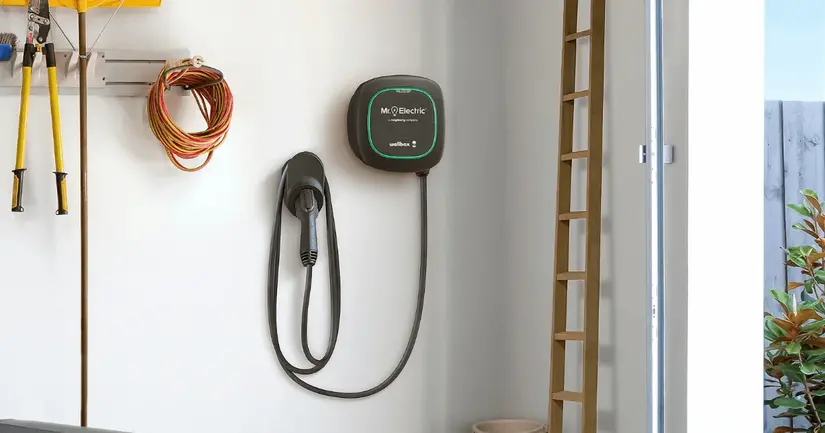


⚡ Cost Breakdown:
- Charger unit: $400 – $1,200
- Installation: $500 – $2,000
- Panel upgrade: $1,000 – $3,000
👉 Total: $1,000 – $5,000+
✔ Tax Credit Benefit:
- 30% federal tax credit
- Up to $1,000 deduction
📉 7. How to Reduce Electric Car Insurance Costs
Reducing insurance costs is critical for maximizing ROI.
✔ Proven Strategies:
- Maintain a clean driving record
- Increase deductible
- Bundle home + auto insurance
- Choose usage-based insurance
- Install anti-theft devices
- Compare multiple insurance providers
💡 Pro Tip:
Usage-based insurance (like Tesla’s) can significantly reduce costs for low-mileage drivers.
⚖️ 8. EV vs Gas Car Insurance: Key Differences
| Feature | EV | Gas Car |
|---|---|---|
| Premium | Higher | Lower |
| Repair Cost | High | Moderate |
| Maintenance | Low | High |
| Risk Factors | Battery & tech | Engine & accidents |
🌱 9. Long-Term Financial Benefits of EV Insurance
Despite higher premiums, EV owners benefit financially over time.
✔ Savings Include:
- Lower fuel costs
- Reduced maintenance
- Government incentives
- Higher resale value
👉 Net savings over 5 years: $8,000 – $20,000
⚠️ 10. Challenges to Consider
Before buying an EV, consider these financial risks:
- High upfront cost
- Expensive insurance for luxury EVs
- Limited repair infrastructure
- Battery degradation concerns
🔮 11. Future of EV Insurance (2026–2030)
The EV insurance industry is evolving fast.
🚀 Key Trends:
- AI-based pricing models
- Real-time driving analytics
- Lower premiums with safer EV tech
- Increased competition among insurers
🏁 Conclusion
Electric car insurance in the USA is a high CPC, high-value topic because it sits at the intersection of automotive + finance + technology.
While EV insurance premiums are higher today, smart buyers can:
- Leverage usage-based insurance
- Optimize financing strategies
- Take advantage of tax credits
- Reduce long-term ownership costs
✔ Final Takeaway:
👉 Electric vehicles may cost more to insure upfront, but with proper planning, they deliver strong long-term financial benefits and savings, making them a smart investment in 2026.